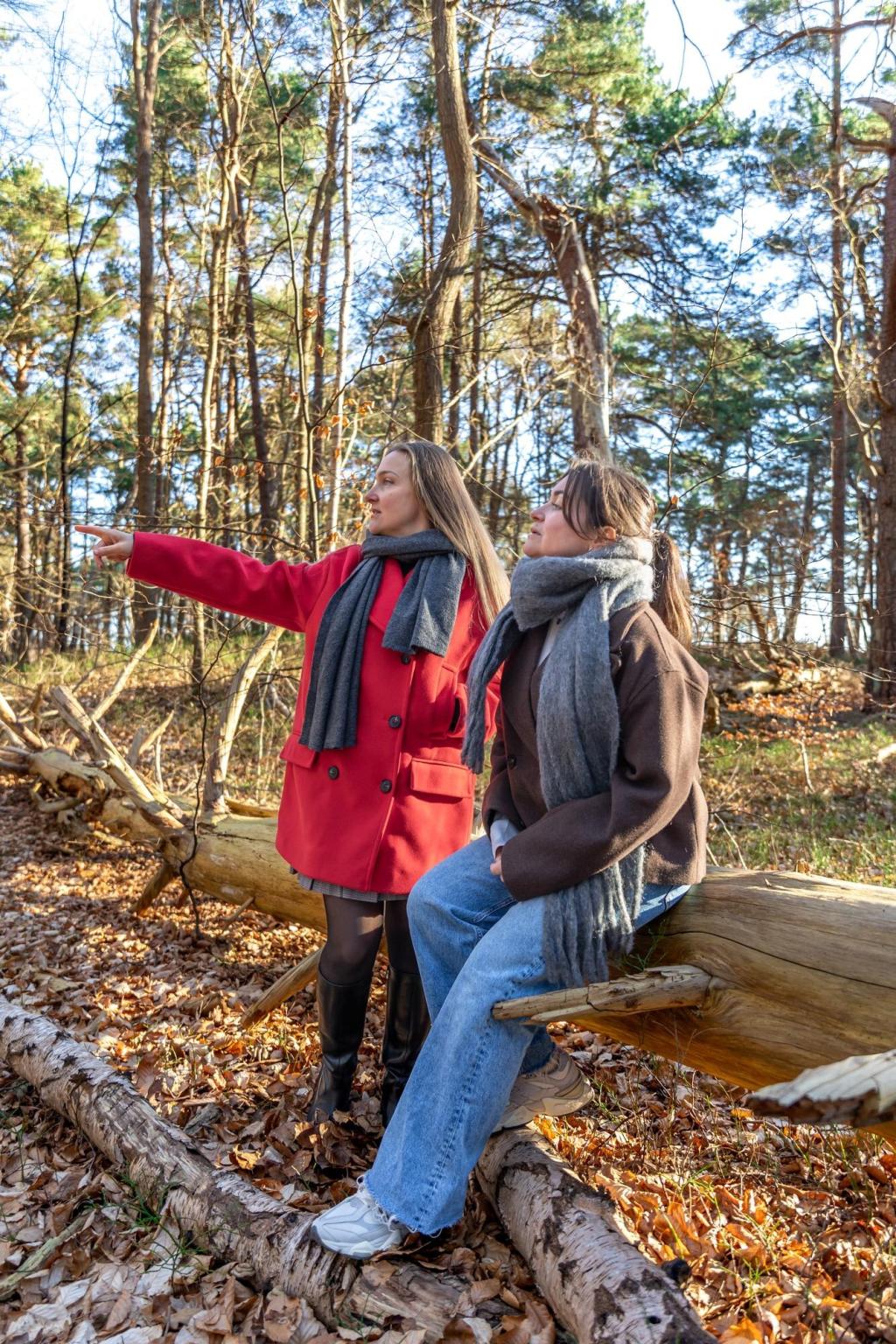
Responsible Wildlife and Nature Tours: Travel That Protects What You Came to See
Chosen theme: Responsible Wildlife and Nature Tours. Step into wild places with humility, curiosity, and care. Here we explore how to witness extraordinary animals and landscapes while leaving them healthier than we found them. Subscribe for field tips, ethical operator checklists, and heartfelt stories that prove responsible travel can be thrilling, beautiful, and genuinely protective.
How to Choose Ethical Operators
Seek operators aligned with credible frameworks, like Leave No Trace and regional wildlife authority guidelines. Ask how they measure impact, train staff, and adapt practices when science or conditions change.
How to Choose Ethical Operators
Ethical tours never bait, touch, or corner animals. They use appropriate distances, time limits, and observation angles, ensuring encounters end before stress behaviors appear. Share reputable operators you trust below.
Field Etiquette: Being a Respectful Guest Outdoors
Lower voices, silence phones, and secure gear to prevent clatter. Calm energy and stillness help animals continue natural behaviors, giving you richer sightings and reducing flight responses or disrupted feeding.
Bring binoculars and a telephoto lens to admire details without closing gaps. Stable tripods and image stabilization reduce fidgeting, letting you linger longer without disturbing birds, mammals, or delicate behaviors.
Planning Your First Responsible Wildlife Trip
Decide what matters most: learning, photography, or volunteering. Intention guides choices about destinations, operators, and pace. Comment with your goal, and we will suggest ethical experiences aligned with it.
Planning Your First Responsible Wildlife Trip
Avoid sensitive periods like nesting or pupping unless tours follow strict protocols. Shoulder seasons can reduce stress on habitats and communities, offering quieter encounters and more space to do things right.
Planning Your First Responsible Wildlife Trip
Include time for visitor centers, ranger talks, and community-led workshops. Learning deepens empathy, and empathy inspires better behavior. Bookmark this page and subscribe for future species-specific planning guides.
Citizen Science and Volunteering That Truly Helps
Use apps to log sightings from safe distances, noting behavior, time, and weather. Accurate records matter more than close photos. Ask us about reputable projects in your target destination before traveling.
Citizen Science and Volunteering That Truly Helps
Join supervised cleanups with sorting protocols that track debris types. Learn decontamination steps for boots and gear to prevent invasive species. Share your favorite volunteer organizations so others can join responsibly.
Safety for You and the Animals
Learn species-specific warning signs, from tail flicks to wing spreads. Respect buffer zones even when animals seem calm. Wild tolerance does not equal consent, and retreat is always a responsible choice.